

Next-Gen App & Browser Testing Cloud
Trusted by 2 Mn+ QAs & Devs to accelerate their release cycles


What Is the Difference Between Google and Google Chrome?
When people hear the terms Google and Google Chrome, they often think they refer to the same thing, but they serve very different purposes. Understanding the difference between Google and Google Chrome helps users make better decisions about browsing, searching, and using online services. It's important to understand how Google and Google Chrome both work together, why they matter, and how they complement each other in the digital ecosystem.
What Is Google?
Google is a global technology company created in 1998, marketing numerous products and services that are related to the Internet, such as Google Search (the search engine), Gmail, Google Maps, Google Drive, YouTube, Android OS, etc. The purpose of Google is to organize the world's information and provide a variety of digital services to users.
What Is Google Chrome?
Google Chrome is a web browser that was created and released by Google in 2008. Google Chrome is a software application whose main use case is web browsing. The purpose of Google Chrome is to browse the Internet, obtain the content that websites are providing, and do it in a manner that is fast, secure, and easy to use.
Google Chrome is available on multiple platforms: Windows, macOS, Linux, Android, and iOS. Other features of Chrome include: tabbed browsing, extensions, secure browsing and developer tools.
What Are the Fundamental Differences Between Google and Google Chrome?
While both are created by the same company, the core difference between Google and Google Chrome lies in their purpose; one is a search engine and technology ecosystem, while the other is a web browser that helps users access the Internet.
| Aspect | Google Chrome | |
|---|---|---|
| Primary Purpose | Google is a global technology company that provides Internet-based services like search, cloud computing, email, maps, and advertising. Its main goal is to organize the world's information and make it universally accessible. | Google Chrome is a web browser developed by Google to let users access, browse, and interact with websites efficiently. Its goal is to deliver a fast, secure, and simple browsing experience. |
| Nature of Use | Google functions as both a search engine and a platform offering multiple digital services, from Gmail and YouTube to Google Drive and Android. | Google Chrome acts as the interface through which users access websites, web apps, and online tools, including Google's own products. |
| Core Functionality | Through its search engine, Google indexes billions of web pages and uses algorithms to display the most relevant results. It also powers tools that enhance productivity and collaboration. | Chrome allows users to load and view websites, run web-based applications, and manage multiple tabs while ensuring smooth performance and strong security. |
| Integration | Google connects its services like Gmail, Maps, Docs, and Drive into a unified ecosystem accessible from any browser or device. | Chrome tightly integrates Google's services; users can access Gmail, Drive, or Search directly from the browser toolbar or new tab page. |
| Platform Dependency | Google services are cloud-based, meaning they work across all browsers and devices with Internet access. | Chrome requires installation on a device (Windows, macOS, Linux, Android, iOS) and functions as a standalone software application. |
| Data Handling & Privacy | Google collects user data such as search queries and location history to personalize experiences and improve search accuracy. Privacy controls are managed through your Google Account. | Chrome stores browsing data, cookies, and saved passwords locally or in your Google Account when sync is enabled. Privacy options include Incognito Mode and site-specific permissions. |
| Customization Options | Users can personalize Google through account settings, theme changes, search preferences, and saved activity management. | Chrome offers high customization with extensions, themes, and settings to tailor browsing performance, security, and interface. |
| Updates & Maintenance | Google's services update automatically in the background, ensuring users always access the latest version without manual action. | Chrome frequently receives browser updates for improved performance, bug fixes, and enhanced protection against malware and phishing. |
| Offline Availability | Some Google products, like Google Docs or Drive, offer limited offline functionality through special sync features. | Chrome allows limited offline access; users can open cached pages or use offline-enabled web apps like Docs or Gmail. |
| User Dependency | Users can access Google via any browser or mobile app; no installation is required. | Chrome depends on user installation and device compatibility, but offers deeper integration when signed in with a Google Account. |
| Business Model | Google generates revenue primarily from online advertising and cloud services, using insights derived from search and usage data. | Chrome itself is free to use, but it enhances Google's ecosystem by driving traffic and engagement with Google Search and ads. |
| Privacy Controls | Managed via the user's Google Account dashboard (My Activity, Ad Settings, Security). | Managed within Chrome's settings menu through privacy tools, cookie management, and safe browsing features. |
| Developer | Google LLC, the parent company that manages multiple digital products and platforms globally. | Google LLC, the same company, developed Chrome as part of its broader ecosystem strategy. |
How Google and Google Chrome Work Together?
Google and Google Chrome are designed to complement each other, creating a seamless browsing and search experience. Google operates as a cloud-based platform, which means services like Gmail, Drive, Docs, and Maps are accessible from any device with an internet connection. This setup provides real-time data synchronization, seamless collaboration, and consistent access, removing the need for local installations.
Google Chrome acts as a fast, secure, and user-friendly interface to access this cloud ecosystem efficiently. Users can browse websites, run web applications, and interact with Google's tools while enjoying smooth performance and strong security. The integration between Google services and Chrome ensures that data flows seamlessly across platforms, enabling productivity and convenience for both individuals and teams.

The benefits of this cloud-based model extend beyond just accessing information. It also allows scalable testing and verification of web applications across multiple environments. One example is TestMu AI, a cloud testing platform that leverages this capability by enabling parallel execution across 3,000+ browser and OS combinations.
Just like Google's cloud services ensure real-time access and reliability, TestMu AI allows you to test on Chrome browsers and ensures web applications perform flawlessly across platforms and environments.
Key features of this integration include:
- Integrated Search: Google Search is built into Chrome's address bar, letting you find information quickly without opening a separate page.
- Account Sync: Signing in with a Google Account synchronizes bookmarks, passwords, and settings across devices automatically.
- App Access: Chrome provides shortcuts to Google apps like Gmail, Docs, and Drive, streamlining workflow and accessibility.
- Security Features: Chrome uses Google's Safe Browsing technology to warn users of malicious sites, keeping cloud interactions safe.
- Updates & Performance: Both Google services and Chrome receive regular updates, enhancing security, speed, and overall usability.
What Are the Privacy and Security Concerns with Google and Google Chrome?
Since both Google and Google Chrome collect user data to improve functionality and personalization, understanding their privacy and security practices is essential.
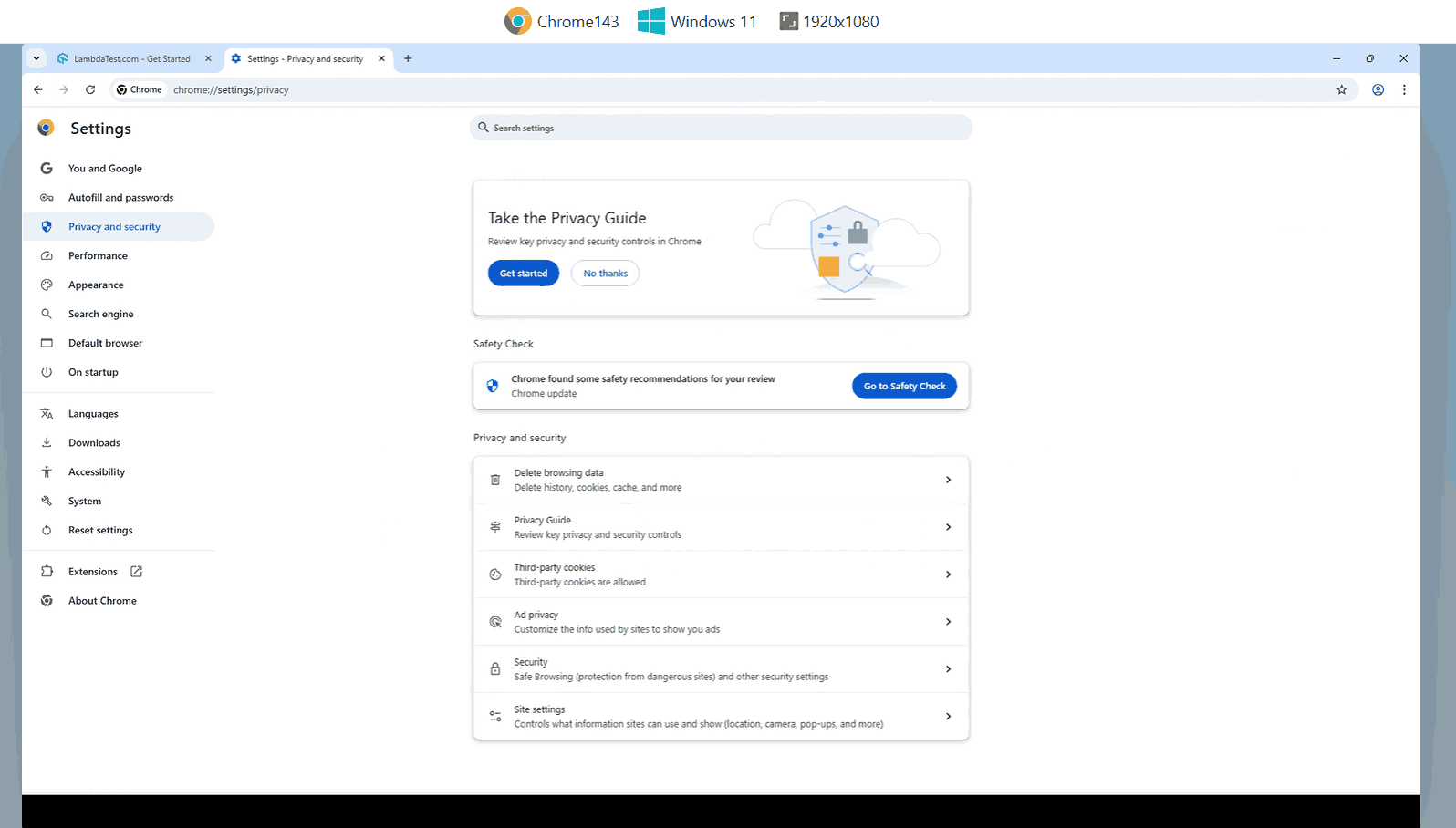
- Data Collection: Google collects search, location, and browsing data to personalize user experience and deliver relevant ads.
- Sync Risks: Chrome's sync feature stores passwords, bookmarks, and browsing data in the cloud, posing potential privacy concerns.
- Tracking & Cookies: Websites use cookies and trackers to monitor user behavior, preferences, and browsing history across sessions.
- Incognito Mode: Chrome's private browsing prevents local history storage but doesn't hide activity from networks or ISPs.
- Account Security: Google offers two-step verification and security alerts to protect accounts from unauthorized access.
- Phishing Protection: Chrome's Safe Browsing system automatically detects and blocks phishing attempts and malicious websites.
- Third-Party Access: Some apps linked to Google services may request permissions that expose user information.
- Ad Personalization: Data from Google services is used to tailor advertisements, potentially affecting user privacy.
- Extension Risks: Installing unverified Chrome extensions can lead to unauthorized data collection or malicious activities.
- Data Retention: Google retains some usage data to comply with policies, even when users delete search histories.
What Are Alternatives to Google and Google Chrome?
There are several alternatives to Google and Google Chrome that cater to users who prioritize privacy, customization, or different browsing experiences. These options provide varied control over data collection, security, and performance.
Alternatives to Google:
- Bing: Microsoft's search engine offering visual results, AI integration with Copilot, and strong tie-ins with Windows and Edge.
- DuckDuckGo: Focuses on privacy by not tracking searches or storing user data, offering unbiased and ad-free results.
- Yahoo: A long-standing search engine providing web, news, and email services with personalized content and recommendations.
- Ecosia: Uses search ad revenue to fund tree planting projects while maintaining transparency and privacy-friendly operations.
- Startpage: Delivers Google's search results anonymously without storing IP addresses or tracking user behavior.
Alternatives to Google Chrome:
- Mozilla Firefox: Open-source browser known for its customizable interface, strong privacy protection, and minimal data tracking.
- Microsoft Edge: Built on Chromium, it offers fast performance, built-in security, and AI features integrated with Microsoft services.
- Apple Safari: Optimized for macOS and iOS, Safari emphasizes energy efficiency and robust privacy with Intelligent Tracking Prevention.
- Brave: Privacy-focused browser that blocks ads and trackers by default and rewards users with Basic Attention Tokens (BAT).
- Opera: Feature-rich browser with built-in VPN, ad blocker, and workspace tools for improved productivity and safety.
Even when using alternatives, browsers and search engines continue to work together one retrieves search results, while the other displays and navigates them.
You can freely mix choices, like using DuckDuckGo on Firefox or Bing on Safari, depending on their preferences for privacy and functionality.
Conclusion
While Google and Google Chrome are closely connected, they serve distinct purposes. Google focuses on organizing and delivering digital information through various products, while Google Chrome provides the platform to access that information safely and efficiently. Together, they form an essential part of the modern internet experience.
Frequently Asked Questions
Is Google Chrome part of Google?
Yes, Chrome is one of Google's flagship products. While Google operates as a global technology company offering many services, including Search, Maps, and Gmail, Chrome serves as the browsing platform through which users access and experience these online tools efficiently and securely.
What's the difference between a search engine and a browser?
A browser, such as Chrome or Firefox, is the software that opens websites. A search engine, like Google Search, is a web service that finds information on those sites. In simple terms, the browser displays the web, while the search engine helps you discover it.
How does the Chrome vs Google comparison help users decide?
Understanding this difference helps you choose based on your needs. If you mainly want to search the web, Google Search on any browser works fine. However, using Chrome provides faster performance, tighter integration with Google services, and enhanced protection while browsing online.
Can you use Google without Google Chrome?
Absolutely. Google services like Gmail, Search, and Drive work on any browser — Firefox, Edge, or Safari. However, Chrome offers a smoother experience, syncing your preferences, passwords, and bookmarks automatically through your Google Account for consistent access across devices.
Why did Google create Chrome when other browsers existed?
Google introduced Chrome in 2008 to deliver a lightweight, secure, and user-friendly browsing experience. At the time, existing browsers were slower and prone to crashes. Chrome's goal was to enhance stability, speed, and security while integrating seamlessly with Google's growing suite of online products.
How can Chrome improve my browsing experience?
Chrome enhances your experience with automatic updates, tab management, password saving, and synchronization across devices. It also supports thousands of extensions, enabling customization while maintaining speed and protection through Google's Safe Browsing technology and built-in malware defense.
Does Google Chrome work offline?
Yes. Chrome allows you to view cached web pages and use offline-enabled apps like Google Docs and Sheets. When you reconnect to the internet, all changes sync automatically, making it convenient for users who work remotely or experience limited connectivity.
How does Google make money from Chrome?
Google doesn't earn directly from Chrome downloads. Instead, it generates revenue from ads and searches performed via Chrome's address bar. The data and engagement insights collected help Google refine both Chrome's functionality and its advertising ecosystem.
How can I protect my privacy in Chrome?
You can boost privacy by using incognito mode, disabling third-party cookies, and reviewing site permissions. Chrome also employs Google's Safe Browsing to block phishing attempts, harmful sites, and suspicious downloads, helping you stay secure during everyday browsing.
What happens if I uninstall Chrome?
Uninstalling Chrome removes local browsing data and extensions from your device. However, if you've enabled Google Account sync, your bookmarks, passwords, and settings remain safely stored in the cloud and can be recovered when you reinstall Chrome or switch devices.
Related Questions

KaneAI - Testing Assistant
World’s first AI-Native E2E testing agent.

TestMu AI forEnterprise
Get access to solutions built on Enterprise
grade security, privacy, & compliance
- Advanced access controls
- Advanced data retention rules
- Advanced Local Testing
- Premium Support options
- Early access to beta features
- Private Slack Channel
- Unlimited Manual Accessibility DevTools Tests